
Sudden Hair Shedding vs Pattern Hair Loss: Causes, Warning Signs and Treatment Options
Reviewed for medical clarity, responsible wording and appropriate safety context. This content is educational and does not replace individual medical advice.
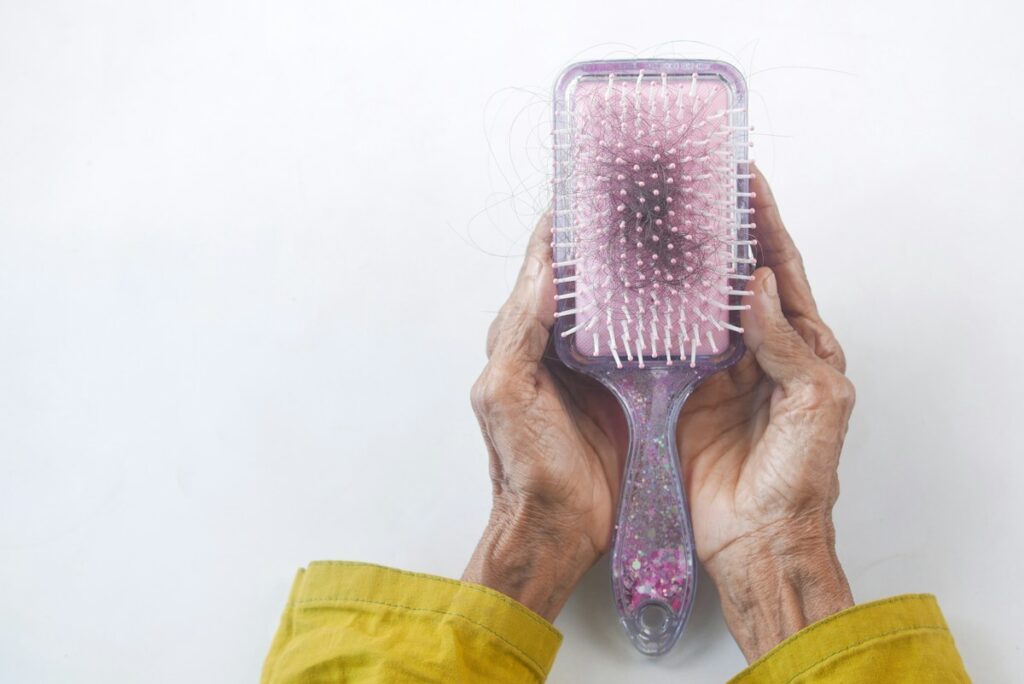
Noticing more hair in the shower, brush or on your pillow? Sudden shedding does not always mean permanent hair loss. Understanding whether your hair is shedding temporarily or gradually thinning can help you decide when to seek medical evaluation and which treatments may be appropriate.
Hair shedding vs pattern hair loss: what is the difference?
According to the American Academy of Dermatology (AAD), losing approximately 50–100 hairs daily is normal. Telogen effluvium describes excessive shedding, often starting a few months after a physical or emotional stressor. It typically produces diffuse shedding rather than a distinct receding hairline. Androgenetic alopecia (pattern hair loss) more often leads to progressive thinning at the temples, crown or part line. The two can occur together, so appearance alone cannot confirm a diagnosis.
| Feature | Temporary shedding | Pattern hair loss |
|---|---|---|
| Timing | Often sudden, after a trigger | Usually gradual |
| Typical pattern | Diffuse shedding | Widening part, thinning crown or receding hairline |
| Outlook | Often improves when the cause resolves | May progress without appropriate treatment |
What causes sudden hair shedding?
Common triggers include fever or illness, surgery, childbirth, substantial weight loss, nutritional deficiencies, major stress and certain medicines. Increased shedding can become noticeable two to three months after a trigger. If you suspect a medicine is involved, consult the prescribing clinician rather than stopping it yourself.
Rapid weight reduction, whether from lifestyle changes, illness or medically prescribed weight-management treatment, may coincide with shedding. A clinician can assess nutrition, symptoms and other possible causes rather than assuming one explanation.
When should you see a dermatologist?
Arrange an assessment for persistent or worsening thinning, bald patches, scalp pain, scaling, inflammation, scarring, or associated symptoms such as fatigue. A dermatologist may examine the hair and scalp and, depending on findings, consider tests for iron deficiency, thyroid disease or other conditions. Prompt evaluation matters because some causes require targeted treatment.
Which hair loss treatments actually help?
The right treatment depends on the diagnosis. Telogen effluvium may resolve after addressing the trigger; starting hair-growth medicines is not automatically necessary. For confirmed pattern hair loss, clinicians may recommend topical minoxidil, and for eligible patients other prescription treatments. Improvements can take several months and are not guaranteed. Read our comparison of minoxidil and finasteride for their different uses and safety considerations.
RELATED CUREIVA PRODUCT · PROFESSIONAL ENQUIRY
Minoxidil 5% – Tugain 5 Solution
Topical minoxidil is one option clinicians may discuss for certain types of pattern hair loss. It is not a diagnosis or a universal solution for sudden shedding. Suitability and directions depend on individual circumstances.
Explore a separate formulation: Minoxidil 5% + Finasteride 0.1% – Morr F 5 Solution. Combination treatment requires medical assessment, including discussion of precautions and reproductive safety.
How to recognize different hair-loss patterns
Hair loss is a symptom rather than a single diagnosis. A widening central part or gradual crown thinning can suggest pattern hair loss, while hair coming out evenly from across the scalp after a recent illness may be consistent with telogen effluvium. Circular patches can occur with alopecia areata; scaling or broken hairs may point to a scalp disorder. These clues help a clinician decide what to investigate, but photographs and self-assessment cannot replace an examination.
Pay attention to the onset, distribution, scalp symptoms and possible triggers. A simple timeline can be more helpful than counting every hair: note any fever, childbirth, surgery, restrictive diet, major medication change or intense stress in the preceding three to four months. Taking photos in consistent lighting once a month may help document changes without encouraging daily checking.
What happens during a hair-loss consultation?
A dermatologist will usually ask about family history, recent illness, diet, hormonal changes, medical conditions, hair-care practices and prescribed medicines. Scalp examination and dermoscopy (magnified inspection) may help distinguish thinning hair shafts from increased shedding. A gentle hair-pull test may sometimes be used. Blood tests are individualized: depending on the history and findings, clinicians may check blood counts, iron status or thyroid function. Not everyone needs a broad laboratory panel, and supplements should not be started solely on the assumption that hair loss means a vitamin deficiency.
How long does it take for hair to recover?
Hair grows in cycles, so improvement is rarely immediate. With acute telogen effluvium, shedding may settle over several months once the trigger resolves, while visible density can take longer to recover. Persistent shedding beyond roughly six months warrants reassessment for ongoing triggers or an overlapping condition. Pattern hair loss behaves differently: it can progress gradually, and treatment generally requires sustained use and follow-up to judge benefit.
When topical minoxidil is prescribed, some people notice increased shedding early in treatment, and meaningful assessment usually takes several months. Stopping an effective treatment may gradually reverse gains. Seek professional advice if irritation, unwanted facial hair growth, dizziness or other unexpected effects occur; do not change treatment without discussing it with your clinician.
Practical hair and scalp care while you seek answers
- Eat adequately: Avoid crash diets and ensure sufficient protein and overall nutritional intake. Ask about testing when deficiency is plausible rather than taking high-dose supplements indiscriminately.
- Reduce mechanical damage: Avoid hairstyles that pull tightly, aggressive brushing and frequent high-heat styling when hair is fragile.
- Care for the scalp: Persistent itching, flaking, pain or inflamed areas deserve assessment rather than repeated use of unproven remedies.
- Review possible triggers: Bring a list of medications and supplements to an appointment, but do not independently stop prescribed treatment.
- Set realistic expectations: Shampoo and cosmetic products may improve how hair looks or feels but usually cannot treat the underlying cause of medical hair loss.
Seek a prompt evaluation for rapidly enlarging bald patches, redness or tenderness, pustules, loss of eyebrows or lashes, or visibly scarred areas. Some inflammatory or scarring conditions can cause lasting loss if treatment is delayed.
Frequently asked questions
Can stress cause hair loss months later?
Yes. Excessive shedding can appear a few months after a major stressor, but other causes should be considered if symptoms persist.
Does every person with shedding need minoxidil?
No. Temporary telogen effluvium may improve once the trigger resolves. A dermatologist can advise if medication is indicated.
How long before hair looks fuller again?
After temporary shedding, noticeable recovery can take months. AAD notes that many people regain normal fullness within about six to nine months after the stressor resolves, although recovery varies.
Can pattern hair loss and sudden shedding happen together?
Yes. A dermatologist may identify both conditions and tailor treatment accordingly.
Medical references
- American Academy of Dermatology: Do you have hair loss or hair shedding?
- American Academy of Dermatology: Hair loss diagnosis and treatment
Medical information notice: Educational information only, not individualized medical advice. Product availability, prescribing requirements and import regulations vary by destination. Independent editorial and clinical review has not been completed.
Our team can help with product information, prescription requirements and destination-specific enquiry guidance.
Request professional guidance →