
Tretinoin vs Adapalene: Which Acne Treatment Is Right for You?
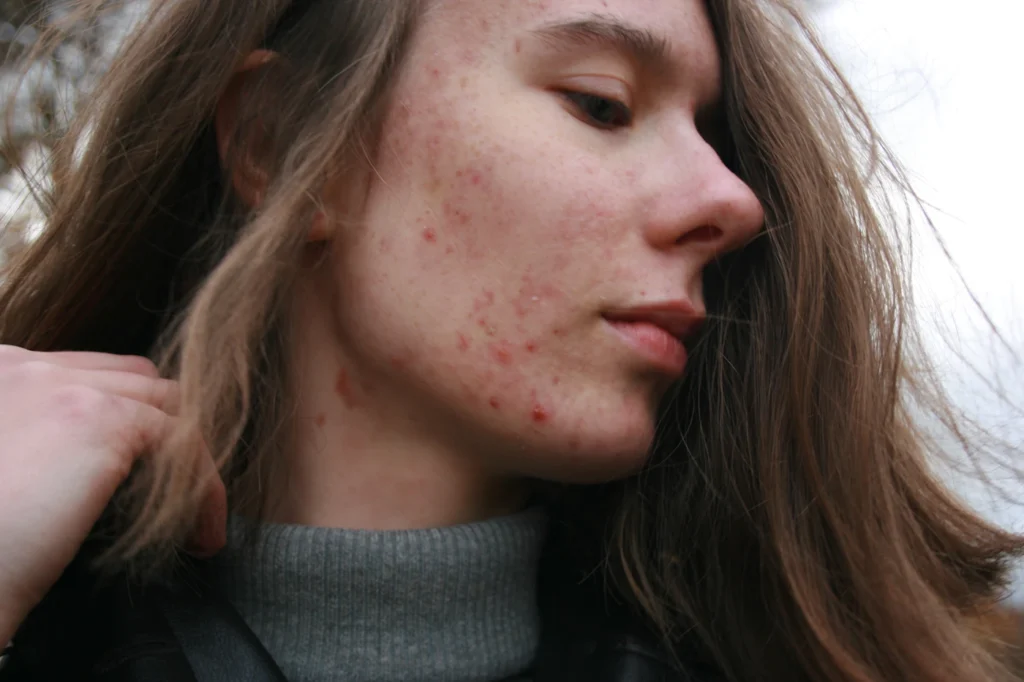
Reviewed for medical clarity, responsible wording and appropriate safety context. This content is educational and does not replace individual medical advice.
Medical information disclaimer: This article is for general education and does not replace diagnosis, prescribing advice or individualized care from a qualified healthcare professional. Acne treatment depends on severity, skin type, pregnancy status, other medicines and local product approvals.
When comparing tretinoin vs adapalene, the most important point is that both are topical retinoids used in acne care. They help normalize the way skin cells shed inside pores, reducing comedones such as blackheads and whiteheads and helping prevent new lesions. The American Academy of Dermatology recommends topical retinoids as an important evidence-based option for acne, but the best choice is not identical for every patient.
What are tretinoin and adapalene?
Tretinoin is a first-generation topical retinoid related to vitamin A. It has been used in dermatology for decades and is available in different strengths and formulations, including creams and gels. Cureiva currently lists Tretinoin 0.025% – Tretin Cream, Tretinoin 0.05% – Tretiheal Cream and Tretinoin 0.1% Cream for product-information enquiries.
Adapalene is a newer synthetic retinoid designed to act selectively at retinoid receptors in the skin. It is widely used for acne and, in some countries and strengths, may be available without a prescription. Cureiva lists Adapalene 0.1% – Adaferin Gel.
How do topical retinoids help acne?
Acne develops through several interacting processes: abnormal plugging of follicles, excess sebum, inflammation and changes involving Cutibacterium acnes. Topical retinoids mainly address follicular plugging and also have anti-inflammatory effects. By helping prevent microcomedones—the early plugs from which visible acne lesions can develop—they are useful not only for treating existing acne but also for maintenance after improvement.
The American Academy of Dermatology acne guideline recommends topical retinoids among core topical therapies. The NICE acne guideline also includes retinoid-containing regimens among first-line choices, with treatment selected according to acne severity and individual circumstances.
Tretinoin vs adapalene: key differences
Effectiveness for acne
Both medicines can be effective for comedonal and inflammatory acne when used consistently. There is no universal rule that one is always “stronger” or better. Outcomes depend on formulation, concentration, adherence, accompanying treatments and the patient’s acne pattern. For someone who stops treatment because of irritation, a theoretically potent regimen may be less useful than one they can tolerate consistently.
Irritation and tolerability
Dryness, redness, peeling, tightness and stinging can occur with either retinoid, especially during the first weeks. Adapalene is often selected when tolerability is a major concern because many patients find it easier to introduce. Tretinoin can also be well tolerated when introduced carefully, but irritation varies by strength and vehicle.
A gentle cleanser and non-comedogenic moisturizer can make retinoid treatment easier to tolerate. The AAD notes that moisturizers may help reduce dryness and irritation associated with acne treatments including adapalene and tretinoin.
Formulations and strengths
Tretinoin is available in multiple concentrations, commonly including 0.025%, 0.05% and 0.1%, as well as microsphere formulations. A higher concentration is not automatically the best starting choice. Cureiva also lists Tretinoin Microsphere 0.025% – Revize Micro Gel and Tretinoin Microsphere 0.04% – Revize Micro Gel.
Adapalene is commonly encountered as 0.1% and, in some markets, 0.3%. Concentration numbers cannot be compared directly between different retinoid molecules: adapalene 0.1% is not meaningfully “four times stronger” than tretinoin 0.025% simply because of the percentages.
Stability with other acne treatments
Combination therapy is common because acne has several causes. Benzoyl peroxide, for example, can complement a retinoid. Modern adapalene regimens are frequently paired with benzoyl peroxide, including fixed combinations. The appropriate combination and timing should follow the specific product instructions or clinician advice rather than assuming every formulation is interchangeable.
For more context on benzoyl peroxide concentrations, see Cureiva’s guide Benzoyl Peroxide 2.5% vs 5%: Which Strength Is Better for Acne?.
Which one may suit different acne patterns?
Blackheads and whiteheads
Both tretinoin and adapalene are logical options for predominantly comedonal acne because retinoids help keep pores from becoming blocked. The AAD specifically notes that retinoids can help unclog pores and prevent new breakouts.
Inflammatory pimples
Retinoids can still form part of treatment when papules and pustules are present, but clinicians often combine therapies with different mechanisms. Depending on severity, this can include benzoyl peroxide, azelaic acid or other prescription treatment. Antibiotic-containing acne regimens require particular attention to antimicrobial stewardship.
Sensitive or easily irritated skin
When sensitivity is the main barrier, a clinician may favor a more tolerable formulation or slower introduction. Adapalene is frequently considered in this setting. However, individual response matters: some people tolerate tretinoin well, while others experience irritation even with adapalene.
Persistent acne or post-acne marks
Controlling active acne is the priority because continuing breakouts can create additional marks and scars. Retinoids can support longer-term acne control. Pigmentation concerns may require a broader plan, particularly in darker skin tones, where irritation itself can worsen post-inflammatory hyperpigmentation.
How are topical retinoids usually introduced?
Instructions differ by medicine and formulation, so the label and prescriber’s directions take priority. In general, topical retinoids are applied as a thin layer to the acne-prone area rather than only to individual spots. Applying more does not make acne clear faster and can substantially increase irritation.
Clinicians may advise a gradual introduction when skin is sensitive. A simple routine often includes a gentle cleanser, the prescribed acne medicine, a non-comedogenic moisturizer and daily broad-spectrum sunscreen. Avoid aggressive scrubs and repeatedly adding new exfoliating acids when the skin is already irritated.
How long does it take to see results?
Retinoids require patience. Early dryness or a temporary change in breakouts can occur before meaningful improvement becomes obvious. Acne therapies are generally assessed over weeks rather than days; AAD patient guidance notes that visible improvement from acne treatment commonly takes several weeks. Consistency matters, but persistent severe irritation is a reason to contact a healthcare professional rather than simply pushing through.
Sun protection matters
Acne-prone skin undergoing active treatment can be more vulnerable to irritation, and post-inflammatory marks may darken with ultraviolet exposure. Use a broad-spectrum, non-comedogenic sunscreen and follow local recommendations for SPF. Sun protection is part of acne care, not merely a cosmetic extra.
Pregnancy and breastfeeding considerations
Topical retinoids require special caution around pregnancy. NICE advises against topical adapalene-containing and topical tretinoin-containing acne regimens during pregnancy. Anyone who is pregnant, planning pregnancy or unsure about pregnancy should speak with a doctor or pharmacist before using a retinoid. Breastfeeding considerations should also be discussed with a healthcare professional, including where the medicine is applied.
When should you see a dermatologist?
Professional assessment is particularly important for deep painful nodules or cysts, acne that is scarring, extensive acne on the chest or back, significant pigmentation, treatment failure, suspected medication-related acne, or acne that is affecting emotional wellbeing. Severe acne may need systemic therapy rather than repeated changes between topical products.
Seek medical advice if a topical treatment causes severe swelling, blistering, intense pain or another concerning reaction. Mild dryness is common; severe dermatitis should not be treated as proof that the medicine is working.
Tretinoin vs adapalene: practical comparison
Tretinoin offers a long clinical history and a broad range of concentrations and vehicles. It may be chosen when a clinician wants flexible strength and formulation options. Adapalene is also evidence-based for acne and is often attractive for its tolerability and convenient use in modern combination regimens. Neither choice eliminates the need for a suitable moisturizer, sunscreen and realistic treatment timeline.
The right decision therefore depends less on finding a universal winner and more on matching treatment to acne severity, skin sensitivity, previous response, other products being used, pregnancy considerations and access to medical supervision.
Frequently Asked Questions
Is adapalene better than tretinoin for beginners?
Adapalene is often considered a practical starting retinoid because it may be easier to tolerate, but “better” depends on the patient. A clinician may recommend tretinoin instead based on acne type, formulation availability and treatment history.
Can I use tretinoin and adapalene together?
Using two topical retinoids together is generally not a routine acne strategy and can increase irritation. Do not combine them unless a qualified clinician has specifically instructed you to do so.
Which is stronger, adapalene 0.1% or tretinoin 0.025%?
The percentages cannot be directly compared because these are different molecules with different receptor activity and formulations. Treatment choice should be based on clinical suitability rather than percentage alone.
Can tretinoin or adapalene make acne look worse at first?
Some people notice temporary worsening or increased visibility of lesions early in retinoid therapy. Irritation can also make skin look worse. Persistent or severe worsening should be assessed by a healthcare professional rather than automatically being labelled a normal “purge.”
Should I apply a retinoid only on pimples?
Retinoids are generally used as a thin layer over the acne-prone area because they help prevent formation of new clogged pores. Follow the directions for your exact medicine and avoid using extra product on individual spots.
Do I need moisturizer with tretinoin or adapalene?
Many patients benefit from a non-comedogenic moisturizer because topical retinoids can cause dryness and irritation. The AAD specifically recommends considering moisturizer when using acne treatments such as adapalene or tretinoin.
Are topical retinoids suitable during pregnancy?
Topical retinoids are generally avoided during pregnancy. Discuss acne treatment with a qualified clinician if you are pregnant, trying to conceive or could become pregnant.
References
American Academy of Dermatology. Acne clinical guideline.
National Institute for Health and Care Excellence (NICE). Acne vulgaris: management (NG198).
American Academy of Dermatology. Moisturizer: Why you may need it if you have acne.
American Academy of Dermatology. How to treat different types of acne.
Our team can help with product information, prescription requirements and destination-specific enquiry guidance.
Request professional guidance →